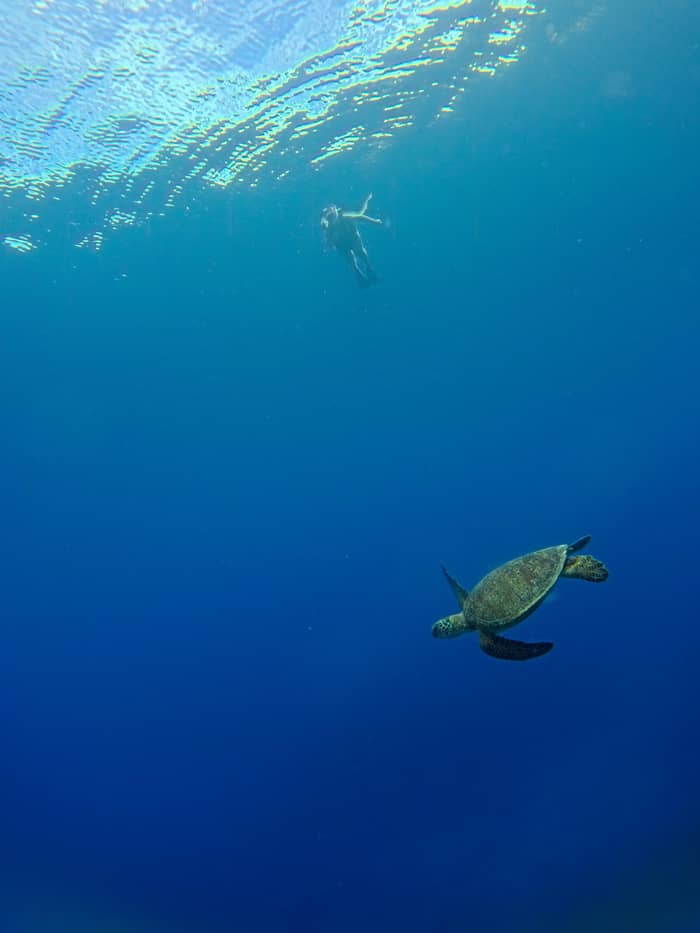
Water
The current
Clean water in
See the boat tourInteractive to-do list
To-do list · 6 items
Check things off as you go; your progress is kept on this device.
0 / 6 ready
All ticked. Only the booking is left: your day on the water off Naha.
Claim a spotWhat the park protects, how the Kerama blue is made, how many corals live here and the simple rules that keep the reefs and the animals healthy for the next swimmer.
Editorial team, keramaislandssnorkeling.com · Updated November 6, 2026 · 7 mins to read
Quick look
The islands were designated a national park on March 5, 2014 because of their outstanding scenic beauty, and the Japan Tourism Agency describes the park as a group of more than 30 islands about 40 kilometers west of Naha.1,7 Japan's tourism board numbers it as the 31st national park of the country.8 The park was designated as a maritime park, and the sea accounts for the majority of its area.9
The numbers show how much of it is water, and they are worth a moment because they change how a visit works. The park covers around 94,000 hectares, of which 3,520 hectares are land and the remaining 90,475 are ocean.2 Of the islands, just four (Tokashiki, Zamami, Aka and Geruma) are inhabited.10 The rest are small, uninhabited islets and rock reefs, many of them visible only from the water, which is why a boat is the usual way to see them.11
Because the park is mostly ocean, it asks something different of visitors than a forest park would. You will not hike for days; you will swim, dive, sail or watch from a lookout. The nature and information centers in the park have the latest safety advisories, weather conditions, tour options and trail and area maps, so stop at one when you arrive.12 Ask there about anything you are unsure of before you get in the water.
The park in numbers
| Item | Detail | Source note |
|---|---|---|
| Designated | March 5, 20141 | Japan Tourism Agency |
| Islands | More than 30 islands and islets7 | Four inhabited10 |
| Total area | Around 94,000 hectares2 | 3,520 hectares are land2 |
| Coral | 248 kinds3 | Table, branch and horned corals3 |
| Dive spots | Around 10017 | Snorkeling off the beaches too17 |
| Distance | About 40 kilometers west of Naha7 | Boats from Tomari Port18 |
Figures are as stated by the Japan Tourism Agency and the Japan National Tourism Organization.
The sea around the group is known for its distinctive Kerama blue hue, a color that visitors often say they cannot quite believe until they see it.15 Japan's tourism board explains how it forms: the Kuroshio current keeps plankton levels low and no rivers carry sediments into the sea, so the water remains extremely clear.5 That combination explains why the crystal clear water here is so often photographed, and it is also why the color changes so little from one bay to the next.
The Japan Tourism Agency adds another layer. The ever-changing tapestry of turquoise, sapphire, cobalt and sky blue is the result of the water being continuously purified and filtered by the coral rock, the sand and the creatures who live on the reefs.13 In other words, the reef helps keep the water clean, and the clean water helps the reef. The cycle works only if the reef stays healthy.
The sand helps as well. Beautiful beaches with white sand are made from crushed coral and the tiny star-shaped protozoa shells known as foraminifera.14 That is a neat link between the animals of the reef and the postcard beach you lie on. White sand reflects light back through shallow water, which brightens the color that you see from a boat or from the shore. The sea also remains warm for most of the year, so you can enjoy it even when summer is over.16
Land and sea
Hectares of land and ocean in the park, from the Japan Tourism Agency's overview.2
The 248 kinds of coral around the Kerama Islands include table, branch and horned reef-producing corals, and their forms create an otherworldly seascape.3 Visit Okinawa puts it another way: more than 200 of the 400 species of coral in Japan can be found around the reefs of the Kerama Islands.24 These figures come from different sources and measure different things, so treat them as signs of richness rather than a precise count.
The reefs provide food and habitats for colorful tropical fish including damselfish and butterfly fish.19 Sea turtles lay their eggs on the islands' beaches, and hawksbill, green and loggerhead turtles nest around the group.22,25 Healthy coral means more places for these animals to feed and shelter, which is why reef-safe habits matter even for a single afternoon of snorkeling. A reef that is stepped on, kicked or crowded takes far longer to recover than it takes to damage.
Around one tenth of the ocean area is a registered Ramsar site under the Ramsar Convention, which is the international treaty for important wetlands.4 The park also offers around 100 diving spots, and you can snorkel off the beaches to see the marine life up close.17 Our diving page lists the sites and the levels, and our turtle page explains how to watch the animals without disturbing them.
Match your wish
Choose the line closest to your wish and read the answer beside it
If I want to see the coral
Snorkel off a reef beach
Furuzamami has shallow water teeming with fish along a large reef.20
If I want clear water for photos
Visit on a calm, sunny day
The clarity comes from the current and the lack of rivers.5
If I want to dive the reef
Choose a licensed operator
If I want to see wildlife
Combine turtles and whales
If I want to help protect it
Follow the park's rules
Care and respect for the environment and its animals.6
Three reasons
Water
Clean water in
See the boat tour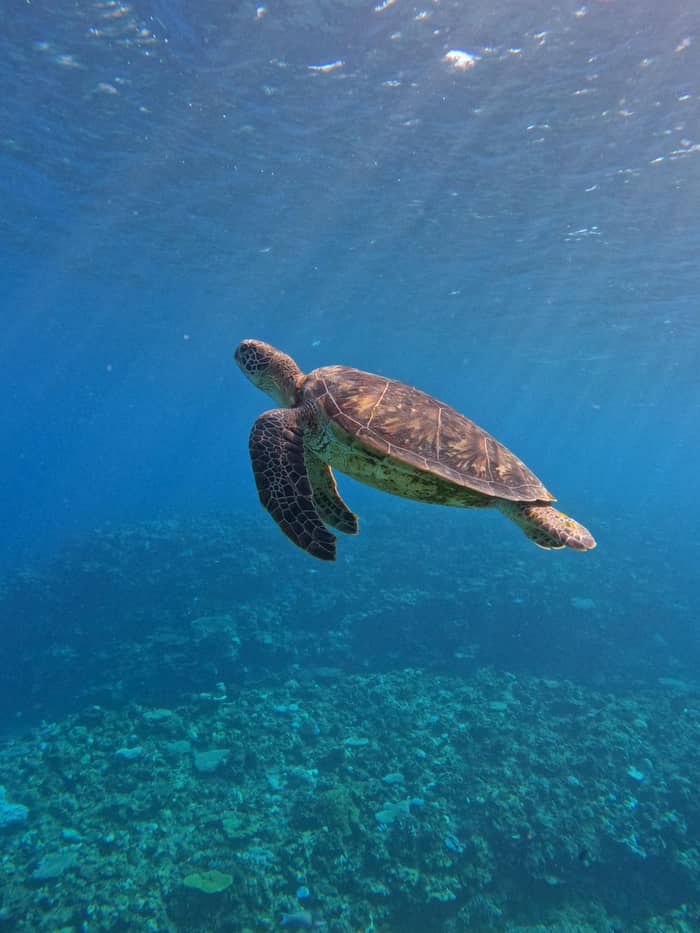
Reef
A living filter
See the boat tour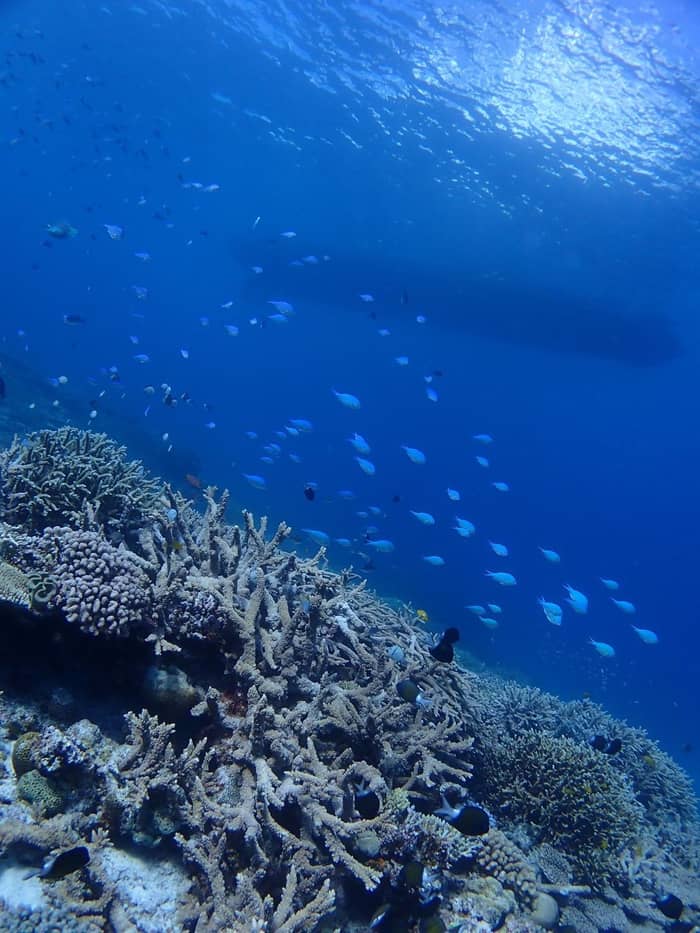
Sand
Light reflector
See the boat tourThe islands were originally part of a mountain range that extended westward from northern Okinawa. With tectonic movements the mountains sank into the sea, which is why the islands look like submerged mountain tops protruding from the water, a phenomenon geologists call a ria coastline.30 The result is steep slopes, sheer cliffs and sheltered bays within short distances of each other.
That shape matters to swimmers. Placid bays and beautiful beaches sit among the steep mountains and sheer cliffs, with white sand made from crushed coral.14 Furuzamami Beach, for example, has shallow water teeming with fish along a large coral reef.20 Deeper water is never far away, so the same coast offers calm snorkeling and open-water diving in turn, often within a short boat ride of each other. That is a large part of why the park suits both beginners and experienced divers.
The park also shows traces of the history of the Ryukyu Kingdom, when the Keramas flourished as a staging post on the Okinawa to China sea route.31 From spring to autumn, traditional festivals are held celebrating the islanders' relationship with the sea.32 So a visit to the park is also a visit to communities whose lives have long depended on the same reef you swim over, and a festival day or a quiet harbor scene can be as memorable as the water itself.
Price the visit
Choose your group size and compare three day trips into the national park
Compare 3 side by side
Choose your group size and compare three day trips into the national park
≈
View≈
View≈
ViewStarting prices on GetYourGuide, exchanged at the ECB reference rate. The booking page gives the exact price.
How the Kerama blue is made
Current
It keeps plankton levels low in the water.5
Land
So no sediment clouds the water.5
Reef
The coral rock, sand and reef creatures purify the water.13
Sand
Beaches are made of crushed coral and foraminifera shells.14
Result
The tapestry of turquoise, sapphire and cobalt appears.13
Visit
The park asks for care and respect toward the reef.6
The park's own message is plain: treat the natural environment and the animals who live in it with the care and respect they deserve.6 Some rules are specific. If you spot a sea turtle, do not approach it or chase it, and protect its safety and habitat by watching from a distance.26 At Nishibama, diving is regulated to conserve the coral community, so follow your operator's briefing.21
Divers are asked to keep neutral buoyancy at shallow reef sites to avoid accidentally banging into the coral.27 Snorkelers can do the same by floating flat, keeping their fins high and never standing on the reef, because coral is alive and a single step can break decades of growth. A life jacket and snorkeling gear are all you need to explore the reefs at Furuzamami, Ama and Nishibama, and the jacket helps you stay on the surface without kicking.28
Think about what you bring into the water. A rash vest cuts the amount of sunscreen you need, rubbish goes back to the port with you, and shells, coral and sand stay where they are. Do not feed fish or any other animal. These are common-sense habits for any marine park, and the staff at the information centers can confirm any local rule you are unsure about before you enter the water.
Video
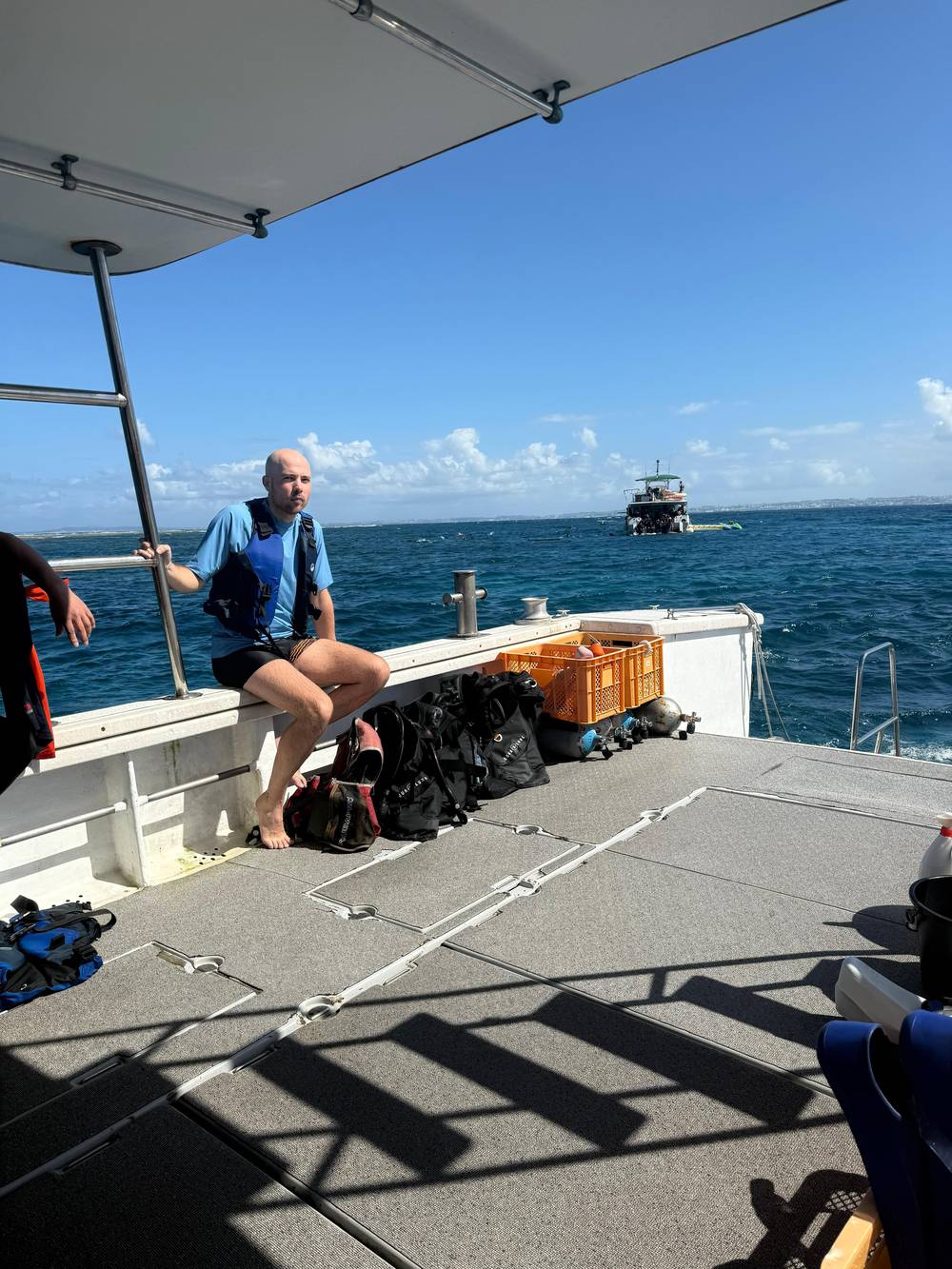
World Wild Hearts on YouTube · The video only starts loading on your tap.
the result of the water being continuously purified and filtered by the coral rock, the sand, and by the creatures who live on the reefs
Boats run from Tomari Port to the islands, and the fastest boat to Tokashiki takes 35 minutes.18 Day tours from Naha reach the park in a single day, and our own full-day snorkeling tour searches for turtles at 2-3 spots with an instructor and visits islands that depend on weather and sea conditions. A day tour is the simplest way to sample the park, while a stay on an island lets you go deeper.
The season also shapes a visit. Humpback whales migrate to the waters around the Kerama Islands from late December to early April, and the islands get less busy then.33,34 Summer brings swimmers and lifeguards, which are on duty at the Zamami and Aka beaches from late April until early November.29 Our own tour notes that the plan or destination may change or be canceled depending on the weather on the day, so build flexibility into your plan.
Bring a checklist. Check the sailing, read the safety advisories at the information center, pack a life jacket if you are unsure in deep water and plan to leave nothing behind. Because the park is mostly ocean, a small mistake travels far, and a calm, careful visitor leaves the reef as clear and blue as they found it. If you remember a single habit, make it distance: from the coral, from the turtles and from the whales when winter comes.
FAQ
The park covers around 94,000 hectares, of which 3,520 hectares are land and 90,475 are ocean.2
Around one tenth of the ocean area is a registered Ramsar site.4
Only Tokashiki, Zamami, Aka and Geruma have residents.10
Sources
More to read
Not sure which Kerama island or boat suits you? A real person answers here.