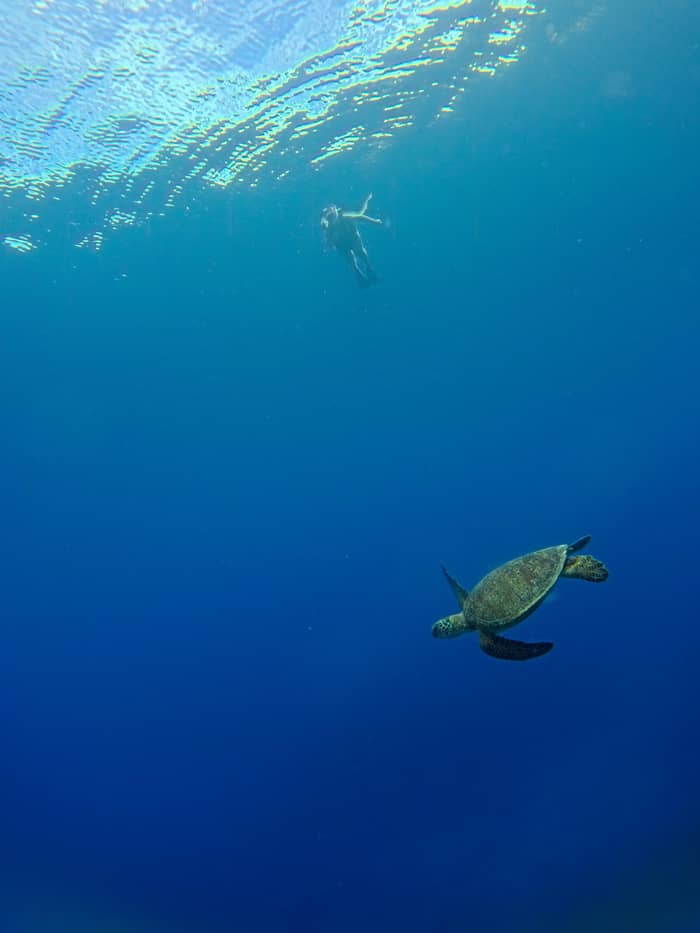
Intro
Intro-diving day
First time under water
- Length8 hours
- From$70
- Rated4.7
Make-your-mind-up tool
Naha, Okinawa: Kerama Islands Full-Day Intro-Diving Trip
★ 4.7 · 255 ratings
The quick version
Kerama Islands diving has around 100 spots, with beginner sites such as Gina and Nishibama and advanced sites such as Ugan and Cave Nita.
Diving facts
Two taps to a dive plan
Answer one or two questions and the matching day shows up.
Recommended for you
from $70
It lasts 8 hours and needs no license.
Recommended for you
from $204
It is limited to 4 participants.
Recommended for you
from $107
Each guest can choose to dive or snorkel.
Recommended for you
from $83
It lasts 7 hours with an instructor.
Which dive sites suit beginners and which need an advanced license, how deep they are, what you can see and how a diving day from Naha is built.
Editorial team, keramaislandssnorkeling.com · Updated November 6, 2026 · 7 mins to read
Quick look
The Japan Tourism Agency counts around 100 diving spots in the park, and says you can also snorkel off the beaches to see marine life up close.1 Visit Okinawa adds that more than 200 of the 400 species of coral in Japan can be found around the reefs of the Kerama Islands.9 For a destination so close to Okinawa's main island, that is a lot of variety, and it is the reason many divers treat the group as a destination in its own right rather than a day-trip extra.
The park is mostly ocean, with a scattering of mostly uninhabited islands, and the water is described as clear because the Kuroshio current keeps plankton levels low and no rivers carry sediments into the sea.10,11 The sea also remains warm for most of the year, so diving is not limited to a short summer window.12 Divers should still match the plan to the conditions on the day, as the sea can change quickly.
Marine life ranges from reef fish such as damselfish and butterfly fish to sea turtles that nest on the islands' beaches.13,14 In winter humpback whales migrate to the Keramas to rear their young, though that is a surface story and not something to plan a dive around.15 Our turtle and whale watching pages cover those encounters from the surface, with the season, the rules and the honest odds laid out in full.
The sites
| Site | Depth | Current | Level |
|---|---|---|---|
| Ugan, Zamami | 25 m6 | Occasionally strong | Advanced6 |
| Cave Nita, Zamami | 15 m7 | Moderate | Intermediate to advanced7 |
| Ijyakajya | 30 m21 | Moderate | Beginner21 |
| Gina, Aka | 25 m2 | Minimal | Beginner2 |
| Nishibama, Aka | 26 m3 | Occasionally strong | Beginner3 |
| Amuro Fish Reef | 7 m4 | Minimal | Beginner4 |
| Uminchu, Tokashiki | 25 m5 | Occasionally strong | Beginner5 |
All eight sites on Visit Okinawa's page are entered by boat; the eighth, Aharen Lighthouse, is not tabulated here. Levels are the listing's own.
Gina, off Aka, is a beginner-friendly site with coral landscapes and a chance to see both green and hawksbill turtles.18 The listed depth is 25 m with minimal current, and no license is listed.2 The site is a sensible place to practice buoyancy and to enjoy slow, relaxed time over coral, since nothing about the current rushes you. Take care not to disturb turtles, especially when they are sleeping or eating, and give them a clear route to the surface.19
Nishibama, also off Aka, is described by Visit Okinawa as one of the best spots in the Kerama Islands, with vibrant coral and species such as green chromis and pink basslet. Its listed depth is 26 m, the current is occasionally strong, and the level is beginner.3 Diving is regulated here to conserve the coral community, so use a licensed operator and follow their briefing.20 Because the current is occasionally strong, ask about the conditions on the day and stay close to your guide.
Amuro Fish Reef is a shallow beginner site at 7 m deep with minimal current.4 Jeweled finger coral grows around artificial reefs, and you are asked to keep neutral buoyancy to avoid accidentally banging into the coral.17 Uminchu, off Tokashiku Beach on Tokashiki, is a beginner site at 25 m with an occasionally strong current, and its name means fisherman.5 Between them, these beginner sites cover coral gardens, turtles and artificial reefs, which is why they are the usual first choices for newer divers.
Ugan, off Zamami, is a popular drift diving spot where you can see schools of migratory fish. The current can be quite strong, so the site is only for advanced divers.16 Its listed depth is 25 m, the current is occasionally strong, and the level and the license are both advanced.6 A drift dive suits a calm, practiced diver with good buoyancy, and the boat crew will tell you how to surface.
Cave Nita, also off Zamami, is a large cavern with natural skylights, where you meet schools of silver sweeper and big-eyed red soldierfish.22 The listed depth is 15 m with a moderate current, rated intermediate to advanced, and the license is advanced.7 A cavern is not an open-water dive, so follow the guide, keep your lights and gauges ready and plan your gas with a margin. Never enter a cavern without a guide who knows it, and agree on hand signals before you leave the boat, since talking is not an option under water.
If you are not sure which level you hold, say so when you book. Operators on the islands include dive shops, and Visit Okinawa notes that dive shops and inexpensive accommodations are available, including minshuku and pensions.23 Choose a shop that will check your log book and ask for a short test dive before an advanced site, since that conversation is part of good practice rather than an inconvenience.
Choose your day
Intro
First time under water
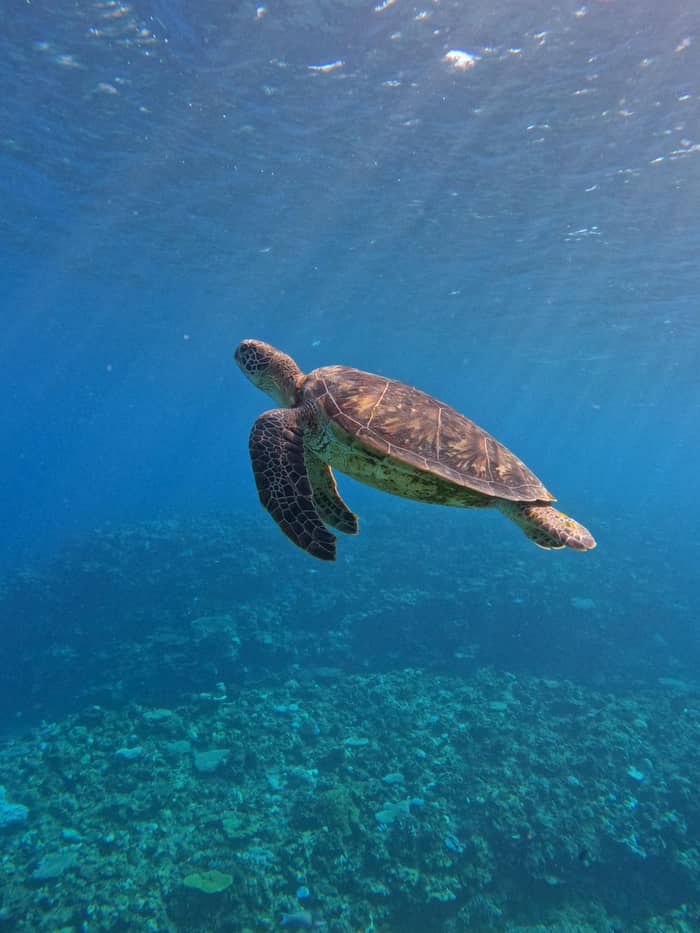
Certified
For certified divers
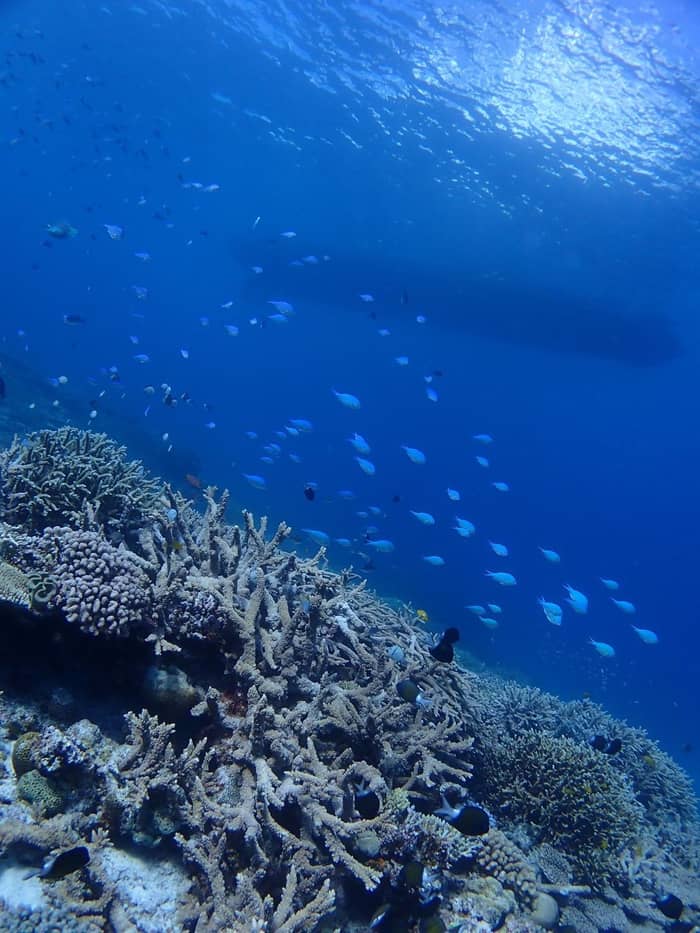
Mixed
Mixed comfort levels
Ijyakajya is a manta cleaning station, where manta rays gather to be cleaned by other marine life, and you can often see mantas there between May and October.8 The listed depth is 30 m, the current is moderate, and the level is beginner, with no license listed.21 Treat the level label as the listing's own rating rather than a promise, and ask your operator whether your certification suits that depth.
There is usually a high chance of encountering sea turtles at the same site, according to Visit Okinawa.25 That makes it a favorite with photographers who want both animals in one dive. Do not chase or touch the mantas; stay low, breathe slowly and let them come and go as they please. A cleaning station only works if the animals feel safe, so a calm group matters more than a close shot.
The season window is useful for planning. If the mantas are the aim, aim for May to October, and keep a spare day in case the sea turns rough, because a boat day can be canceled when conditions are poor. In winter you may swap mantas for whales on the surface, since humpbacks migrate to the Keramas then, though that season belongs to the boat tours and not to the dive sites above.15 A flexible itinerary is the best protection against disappointment.
Price the day
Choose your group size and compare four ways to get under the surface
Compare 4 side by side
Choose your group size and compare four ways to get under the surface
≈
View≈
View≈
View≈
ViewStarting prices on GetYourGuide, exchanged at the ECB reference rate. The booking page gives the exact price.
A diving day
Early
Pickup from Naha is included on the intro-diving trip.
Morning
Dive sites are reached by boat.6
Briefing
Check the level and the current before you enter.16
Midday
Keep neutral buoyancy near coral gardens.17
Afternoon
Turtles may be seen at beginner sites like Gina.18
Return
The intro-diving day lasts 8 hours in total.
An intro-diving day suits visitors who have never dived and want to try it. One Naha trip lasts 8 hours and starts from $70, rated 4.7 from 255 reviews, with pickup included and free cancellation up to 24 hours before. A snorkeling day costs less: our full-day tour starts from $83 and lasts 7 hours. Compare what each listing includes before you pick on price alone, because a longer day with a guide can be better value than a short, cheap one.
Certified divers have more choice. A small-group diving day with English-speaking SSI guides is limited to 4 participants, lasts 8 hours and starts from $204, rated 4.8 from 67 reviews. Another trip combines a Tokashiki visit with a scuba dive, is limited to 10 participants, lasts 9 hours and starts from $200. Compare group size, hours and what the price includes before you decide.
Mixed groups are also an option. A one-day experience lets some travelers snorkel while others dive, lasts 7 hours and starts from $107, rated 4.5 from 180 reviews. That works for a family or a group of friends with different comfort levels, since nobody has to give up the day because one person prefers the surface. Whatever you choose, tell the staff about any health condition, since boat operators ask for honest answers before they take you out.
Video
Travel With Mansoureh on YouTube · The video only starts loading on your tap.
The current can be quite strong, so the site is only for advanced divers.
Before you go
Okinawa dive shops on the islands handle the boat, the tanks and the briefing, and Visit Okinawa recommends basing yourself on Tokashiki, Zamami, Aka or Geruma if you want to really explore the underwater environment.26 Tour operators also offer day trips from Naha and other areas on the main island, so you do not have to move house to dive.27 For the best of both, stay a night on Aka or Zamami and add a day trip.
Safety comes first on a boat day. The current can change what a site feels like in minutes, so the guide's briefing on entry, depth and exit is not a formality. Follow the recommended levels in the table below, stay within your certification and abort a dive if you feel unwell. The sea remains warm for most of the year, but ask your operator what exposure protection they supply for the month you travel.12
A day plan is simple. You are collected, driven to the port, taken by boat to the dive area, briefed, dive twice and returned. Eat lightly before you dive, drink water and avoid flying right away. Our site tour is a snorkeling day, so if diving is the goal compare it with the listings above; for the park, access and conservation, the Kerama Blue page explains the rules that apply to every visitor.
FAQ
The Japan Tourism Agency counts around 100 diving spots in the park, and snorkeling is possible off the beaches too.1
Ijyakajya is a manta cleaning station where mantas are often seen between May and October.8
One Naha intro-diving trip lasts 8 hours and starts from $70, with free cancellation up to 24 hours before.
A Kerama diving day trip from Naha with English-speaking SSI guides is limited to 4 participants and starts from $204.
Diving at Nishibama is regulated to conserve the coral community, so book with a licensed operator.20
Sources
More to read
Not sure which Kerama island or boat suits you? A real person answers here.